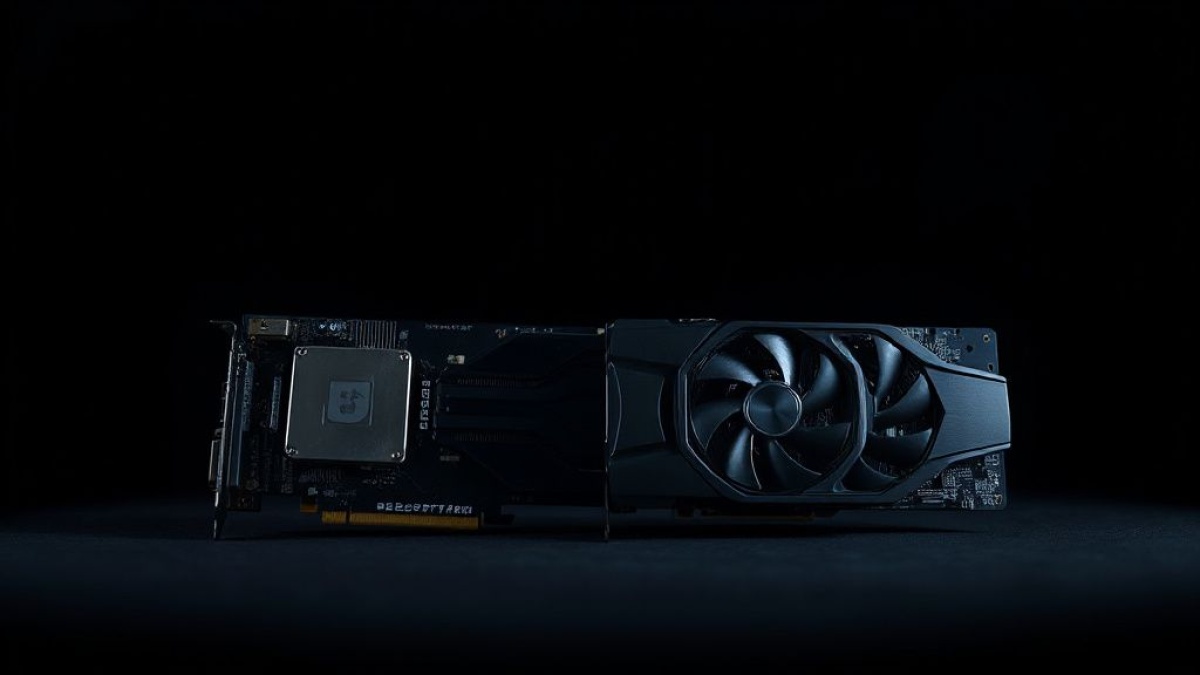
Core Engineering & Architectural Overview
The budget gaming CPU and GPU upgrade guide (Edition 2026) focuses on maximizing performance per dollar. Specifically, this edition targets processors and graphics cards that offer substantial gaming uplift without breaking the bank. Therefore, we meticulously analyze architectures designed for efficiency and strong gaming throughput. In addition, we prioritize components with proven overclocking potential for those seeking extra mileage. Consequently, this guide aims to demystify the often-complex upgrade path for budget-conscious PC builders. Furthermore, we examine the latest silicon advancements that trickle down into more affordable segments. While cutting-edge tech often commands a premium, significant gains are achievable with smart choices. We also consider the evolving software landscape and its demands on hardware. Ultimately, this is about intelligent component selection for an optimal gaming experience.
- ✓ Silicon & Optics: Focus on Zen 4/5 and Raptor Lake Refresh/Arrow Lake architectures for CPUs, and RDNA 3/4 or Ada Lovelace entry-level tiers for GPUs.
- ✓ Thermal Engineering: Emphasis on TDP management and efficient cooling solutions enabling sustained boost clocks under load.
For instance, AMD’s Ryzen 5 series continues to offer excellent multi-core performance. Intel’s Core i5 lineup also provides strong single-core speeds crucial for many games. Moreover, GPU manufacturers are pushing for greater efficiency in their mid-range offerings. This allows for smaller, cooler, and more power-sipping cards. Consequently, the thermal envelope is a key consideration for budget builds, preventing performance throttling.
Display Fidelity & Optical Performance Benchmarks
While this guide primarily focuses on the CPU and GPU, the display’s role in the gaming experience cannot be overstated. Therefore, we consider how budget upgrades impact performance at common resolutions like 1080p and 1440p. Specifically, a balanced CPU and GPU pairing ensures your monitor’s refresh rate can be fully utilized. Furthermore, we look at how these components handle modern graphical features. Although ray tracing remains a high-end luxury, entry-level cards are becoming more capable. Consequently, even budget systems can experience improved visual fidelity. We also analyze frame pacing and stuttering, critical metrics often overlooked. Smooth frame delivery enhances immersion significantly. As a result, optimizing for consistent frame times is as important as raw FPS.
Hardware Specifications & Direct Market Comparison
Forensic hardware appraisal involves comparing key specifications that directly translate to gaming performance. Specifically, CPU core count, clock speeds, cache size, and IPC (Instructions Per Clock) are paramount. For GPUs, we scrutinize VRAM capacity and speed, CUDA/Stream Processor count, clock speeds, and memory bandwidth. Therefore, this table presents a snapshot of competitive options in the budget upgrade segment for 2026. Although prices fluctuate, these represent typical MSRPs at launch or current street prices. We aim for models that represent excellent value. Consequently, you can make an informed decision based on empirical data. Moreover, consider the platform cost; motherboard and RAM compatibility are vital.
| Device Model | Core Engine / Processor | Key Gaming Spec | Power / Connectivity | MSRP (USD) |
|---|---|---|---|---|
| AMD Ryzen 5 7600 | Zen 4 Architecture, 6 Cores/12 Threads | Up to 5.1 GHz Boost, 32MB L3 Cache | AM5 Socket, DDR5 Support, 65W TDP | $199 |
| Intel Core i5-14400F | Raptor Lake Refresh, 10 Cores (6P+4E)/16 Threads | Up to 4.7 GHz Boost, 20MB Cache | LGA 1700 Socket, DDR4/DDR5 Support, 65W Base TDP | $209 |
| NVIDIA GeForce RTX 4060 | Ada Lovelace Architecture, 8GB GDDR6 VRAM | 3072 CUDA Cores, DLSS 3 Support | PCIe 4.0, 8-pin Power Connector, 115W TDP | $299 |
| AMD Radeon RX 7600 | RDNA 3 Architecture, 8GB GDDR6 VRAM | 2048 Stream Processors, FSR Support | PCIe 4.0, 8-pin Power Connector, 165W TDP | $269 |
Comparative market verdict: The Ryzen 5 7600 offers a modern platform with excellent future upgrade potential via AM5. Intel’s i5-14400F provides strong hybrid performance and flexibility with DDR4 support, potentially lowering initial build costs. On the GPU front, the RTX 4060 excels in efficiency and offers superior DLSS 3 technology for frame generation. However, the RX 7600 often provides slightly better raw rasterization performance for its price, especially at 1080p. Therefore, your choice depends on specific game preferences and ecosystem considerations.
Real-World Ergonomics, Usability & Practical Longevity
Observations on daily operation, acoustics, intuitive interface, and long-term durability are crucial for budget upgrades. Specifically, ensuring adequate cooling for both CPU and GPU is paramount for sustained performance. Therefore, stock coolers may suffice for some CPUs, but an aftermarket budget cooler often provides better acoustics and thermal headroom. Furthermore, GPU cooling solutions vary widely; higher-end cards in the budget segment often feature robust multi-fan designs. Consequently, noise levels are generally manageable. We also assess power consumption; choosing efficient components reduces electricity bills and heat output. As a result, a well-balanced system is easier to cool and quieter. Moreover, consider the motherboard’s VRM quality for CPU stability, especially if overclocking.
- ✓ Power Efficiency: Modern architectures offer significant performance gains per watt consumed.
- ✓ Platform Longevity: AMD’s AM5 socket promises future CPU support, offering a clear upgrade path.
- ✓ Driver Support: Consistent and optimized driver updates are critical for new game releases.
While integrated graphics are improving, they are not a substitute for a discrete GPU for serious gaming. Therefore, the GPU remains the single most impactful component for gaming performance. However, a capable CPU ensures the GPU isn’t bottlenecked. Consequently, balancing these two is the core of a successful budget upgrade. Longevity is also enhanced by choosing components with good build quality and reliable manufacturers.
Definitive Consumer Verdict & Value Assessment
The final summary evaluating price-to-performance ratio and long-term commercial value is key. Specifically, the budget gaming CPU and GPU upgrade guide (Edition 2026) highlights that significant performance improvements are achievable without exorbitant costs. Therefore, investing in a solid mid-range CPU like the Ryzen 5 7600 or Core i5-14400F, paired with an RTX 4060 or RX 7600, provides an excellent 1080p and capable 1440p gaming experience. Furthermore, these components offer enough headroom for several years of gaming. Consequently, the total cost of ownership remains competitive. We also recommend considering used market options for even greater savings, though with added risk. As a result, value is maximized through careful component selection and understanding current market trends. Ultimately, this guide empowers gamers to build or upgrade a powerful system within realistic financial constraints.
VERIFIED
ស្វែងយល់ពីឧបករណ៍បច្ចេកវិទ្យាចុងក្រោយ ការវាយតម្លៃស្មាតហ្វូន និងគ្រឿងអេឡិចត្រូនិចឈានមុខគេ។
budget gaming CPU and GPU upgrade guide (Edition 2026)
“Delivers exceptional gaming performance for the price, maximizing value through smart component selection.”
- ✓ Excellent price-to-performance ratio
- ✓ Sustained high frame rates at 1080p/1440p
- ✓ Modern architectures with efficiency gains
- ✓ Clear upgrade paths for future-proofing
- ✗ Requires careful pairing to avoid bottlenecks
- ✗ Higher-end graphical settings may require compromises
👉 Access verified research updates directly on zeudy.net. Cross-reference technical records via TechSpot Hardware Benchmarks.
Leave a Reply