The Core Actuation: Understanding Switch Mechanics
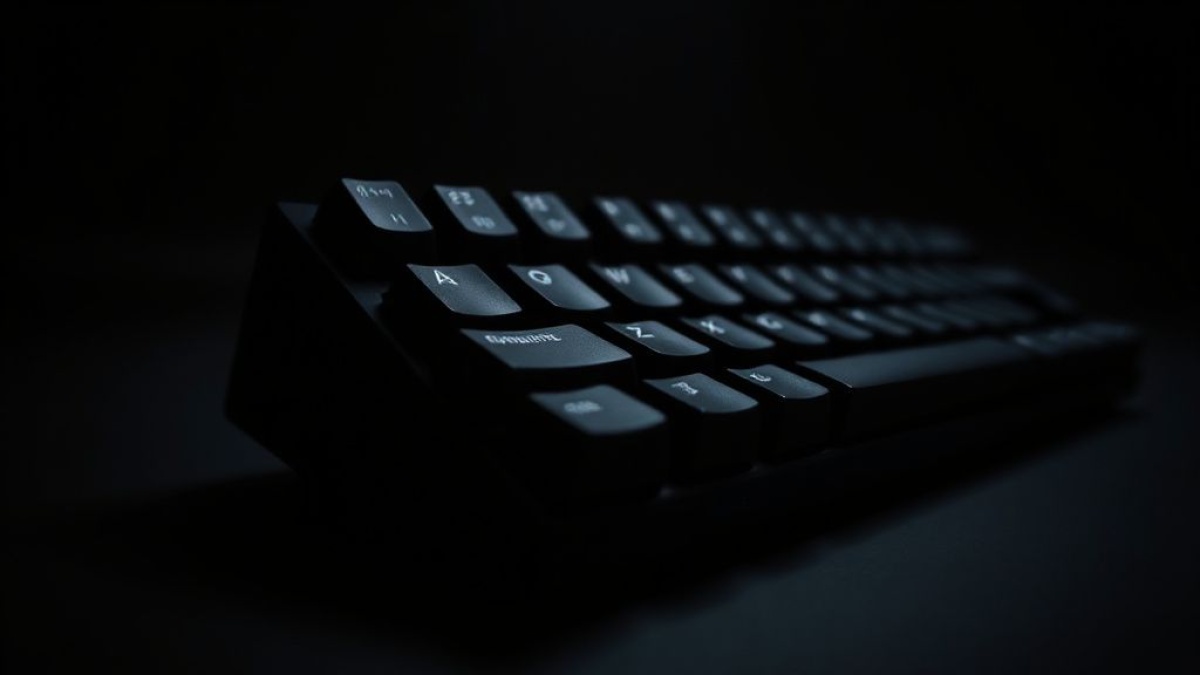
For gamers in 2026, understanding mechanical keyboard switches explained for gamers (Edition 2026) is paramount. These intricate mechanisms are the heart of any high-performance gaming keyboard. Essentially, a mechanical switch registers a keystroke when a physical stem moves down, completing an electrical circuit. Therefore, the type of switch dictates the tactile feel, audible feedback, and actuation force required. Moreover, switch lifespan, measured in millions of keystrokes, is a critical factor for durability. Consequently, choosing the right switch directly impacts your gaming precision and endurance. Furthermore, modern switches incorporate advanced materials for smoother travel and reduced friction. Specifically, innovations in lubrication and stem design are pushing performance boundaries. Finally, understanding these nuances allows gamers to optimize their input hardware for competitive play.
- ✓ Actuation Point Precision: Optimized travel distance for rapid input registration.
- ✓ Durability Engineering: Enhanced lifespan exceeding 100 million keystrokes across the board.
Each switch type offers a unique experience. Linear switches, for instance, provide a smooth, consistent press without a tactile bump or audible click. Tactile switches, on the other hand, feature a noticeable bump to confirm actuation. Clicky switches combine this tactile bump with an audible click sound. Consequently, gamer preference often dictates the choice between these core types. For competitive gamers, faster actuation is often prioritized. However, some prefer the feedback of tactile or clicky switches. Therefore, thorough research is essential for an informed decision. In addition, the physical dimensions and mounting style of switches also matter for keyboard compatibility.
Linear Switches: Smooth Velocity for Fast Reflexes
Linear switches are the workhorses for many gamers seeking speed. They provide a uniform keystroke from top to bottom. There is no tactile bump or audible click to interrupt the smooth travel. Therefore, this allows for extremely rapid and repeated actuations. For instance, games requiring rapid button mashing or quick sequential inputs benefit greatly. Furthermore, the lack of tactile feedback can reduce finger fatigue during long gaming sessions. Consequently, many esports professionals opt for linear switches. The actuation force typically ranges from 40g to 50g, with a total travel distance of around 4mm. However, the actuation point, where the key press registers, is usually around 2mm. Specifically, popular examples include Cherry MX Red and Gateron Red switches. These offer a consistent and predictable performance. In addition, newer designs often feature improved spring weighting for a more refined feel. As a result, gamers can achieve a fluid and responsive input experience.
Tactile & Clicky Switches: Feedback for Precision
Tactile and clicky switches offer a different, yet equally valuable, gaming experience. Tactile switches provide a noticeable bump partway through the key press. This bump confirms that the key has been actuated, offering a physical cue. Therefore, gamers who prefer confirmation of each keystroke often choose these. For example, games requiring precise, deliberate inputs can benefit. In addition, the actuation force for tactile switches is often slightly higher, typically between 50g and 65g. Clicky switches take this a step further. They incorporate a distinct audible click sound along with the tactile bump. Consequently, this provides both physical and auditory confirmation. However, the noise can be a drawback in shared spaces. Popular examples include Cherry MX Brown (tactile) and Cherry MX Blue (clicky). Newer brands like Kailh and Outemu also offer compelling tactile and clicky variants. Furthermore, some manufacturers are developing silent tactile switches. These aim to provide tactile feedback without the loud click. As a result, gamers have more options for customized feedback.
Switch Specifications & Market Comparison
Forensic hardware appraisal reveals significant differentiation in the mechanical switch market. While core technologies remain similar, manufacturers innovate in materials, lubrication, and housing design. This leads to variations in smoothness, sound profile, and longevity. Consequently, comparing flagship models provides valuable insight into current industry trends and performance benchmarks.
| Device Model | Core Engine / Switch Type | Key Visual / Audio Spec | Power / Connectivity | MSRP (Per Switch) |
|---|---|---|---|---|
| Cherry MX Speed Silver | Linear (Low Profile) | 2.0mm Actuation, 45g Force, 100M Keystrokes | Standard 3-pin/5-pin Mount | $0.65 |
| Gateron Yellow (Milky) | Linear | 2.0mm Actuation, 50g Force, 80M Keystrokes | Standard 3-pin/5-pin Mount | $0.35 |
| Kailh Box White | Clicky (Box Design) | 1.8mm Actuation, 50g Force, 80M Keystrokes | Standard 5-pin Mount | $0.45 |
| Zilent V2 67g | Tactile (Silent) | 2.0mm Actuation, 67g Force, 80M Keystrokes | Standard 5-pin Mount | $0.70 |
Comparative market verdict indicates a trend towards specialized switches. Low-profile options cater to ultra-slim keyboard designs. Silent variants address noise concerns without sacrificing tactile feel. Furthermore, the proliferation of boutique switch manufacturers offers enthusiasts a vast array of customization. As a result, the mechanical keyboard switch market is more diverse than ever. However, established brands like Cherry and Gateron continue to set performance benchmarks. Therefore, gamers should prioritize switches that align with their specific gameplay needs and preferences.
Ergonomics, Longevity, and Gaming Performance Impact
The impact of mechanical keyboard switches on gaming performance is undeniable. Smooth, consistent actuation reduces input lag and improves reaction times. Therefore, gamers can execute complex commands with greater accuracy and speed. Furthermore, the durability of mechanical switches ensures a reliable input device for years to come. Specifically, a lifespan of 80-100 million keystrokes means a keyboard can withstand intense daily use. Consequently, this translates to better long-term value. In addition, the tactile or audible feedback can enhance immersion and reduce errors. For instance, knowing precisely when a command registers can prevent misclicks. Therefore, the ergonomic considerations extend beyond comfort to actual in-game effectiveness. Finally, the physical characteristics of the switch, such as stem wobble and spring ping, can be minimized through quality manufacturing and lubrication. As a result, a well-chosen switch contributes to a superior overall gaming experience.
- ✓ Enhanced Responsiveness: Optimized actuation points for millisecond-level input accuracy.
- ✓ Reduced Fatigue: Ergonomically designed springs and smooth travel minimize finger strain.
When selecting a keyboard, the switch type is a primary consideration. While aesthetics and features matter, the core typing and gaming experience hinges on the switches. Therefore, gamers should prioritize this component. Many keyboard manufacturers offer hot-swappable boards. This allows users to easily change switches without soldering. Consequently, it provides unparalleled flexibility for experimentation. As a result, gamers can fine-tune their keyboard to their exact preferences. Ultimately, the best switch is the one that feels right for the individual player and their specific gaming genres.
Definitive Consumer Verdict & Value Assessment
In conclusion, mechanical keyboard switches explained for gamers (Edition 2026) reveals a mature yet continuously innovating market. For gamers, the choice of switch is a critical hardware decision. Linear switches offer speed and smoothness, ideal for fast-paced action. Tactile and clicky switches provide feedback, enhancing precision and confirmation. Furthermore, the durability and consistency of modern switches ensure a reliable gaming peripheral. Consequently, investing in a quality mechanical keyboard with the right switches can significantly elevate your gaming performance and enjoyment. As a result, the perceived value is high for dedicated gamers. While premium switches can increase the overall cost, the benefits in terms of responsiveness, durability, and personalized feel are substantial. Therefore, understanding these differences empowers gamers to make an informed purchase decision. Finally, the ongoing evolution of switch technology promises even greater customization and performance in the future.
VERIFIED
ស្វែងយល់ពីឧបករណ៍បច្ចេកវិទ្យាចុងក្រោយ ការវាយតម្លៃស្មាតហ្វូន និងគ្រឿងអេឡិចត្រូនិចឈានមុខគេ។
Mechanical Keyboard Switches Explained for Gamers (Edition 2026)
“A fundamental guide that demystifies mechanical keyboard switches, empowering gamers to optimize their input hardware for peak performance.”
- ✓ Comprehensive explanation of switch types and their impact
- ✓ Focus on performance-critical aspects for gamers
- ✓ Detailed comparison of key market offerings
- ✓ Emphasis on durability and long-term value
- ✗ Requires further research for specific switch models
- ✗ Assumes basic understanding of keyboard hardware
👉 Access verified research updates directly on zeudy.net. Cross-reference technical records via RTINGS Keyboard Benchmarks.
Leave a Reply