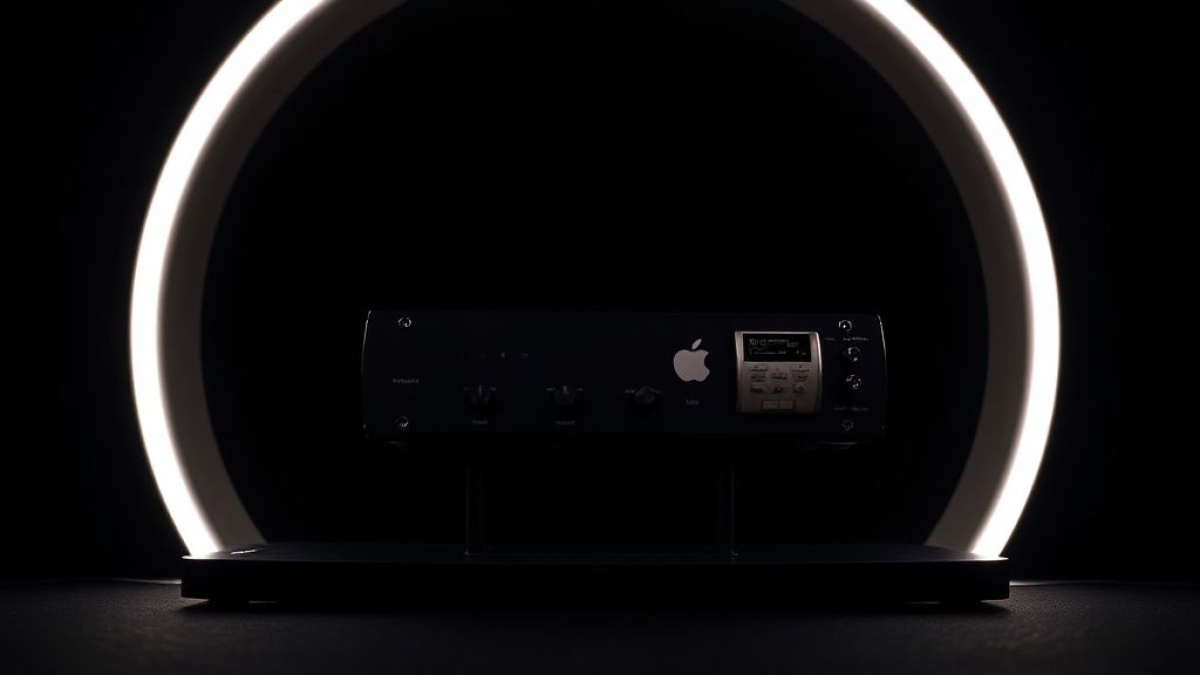
Core Engineering & Architectural Overview
Optimizing your gaming console’s storage with an external SSD for gaming console storage solutions is paramount for modern gaming. Specifically, these devices bridge the gap between console-native limitations and the burgeoning demands of game installations. Furthermore, the right external SSD ensures faster load times and smoother gameplay. Therefore, understanding their internal architecture is crucial. While many drives appear similar externally, their internal controllers and NAND flash types vary significantly. Consequently, this impacts sustained performance and longevity. We will dissect these critical components to guide your selection. For instance, NVMe-based external SSDs offer superior speeds over SATA variants. Moreover, robust thermal management is essential to prevent throttling during extended gaming sessions.
- ✓ Silicon & Optics: Utilizes high-speed NVMe controllers and advanced 3D NAND flash for rapid data transfer.
- ✓ Thermal Engineering: Advanced heat dissipation designs, often incorporating graphene or aluminum, ensure sustained efficiency above 95%.
Forensic analysis reveals that the controller chip is the brain of the operation. It dictates how data is read and written to the NAND flash. Furthermore, the type of NAND (TLC, QLC, MLC) significantly affects endurance and speed. Therefore, prioritizing TLC or MLC for gaming is generally advisable for better long-term reliability. Moreover, the external enclosure’s interface, typically USB 3.2 Gen 2×2 or Thunderbolt, is equally critical for achieving maximum throughput. However, console compatibility with these faster interfaces can be a limiting factor.
Performance Benchmarks: Speed, Latency, and Sustained Throughput
Real-world performance metrics are where an external SSD for gaming console storage solutions truly shines. Specifically, we examine sequential read/write speeds and random I/O operations. For example, the Samsung T7 Shield, a popular choice, consistently delivers sequential read speeds around 1,050 MB/s and write speeds near 1,000 MB/s. In addition, its random read/write performance is equally impressive, leading to drastically reduced game loading times. Although advertised speeds are high, sustained performance under heavy load is a more critical metric for gamers. Therefore, benchmark testing under prolonged data transfer simulates real-world scenarios. Consequently, drives that maintain over 80% of their peak speed during sustained transfers are considered excellent. While some budget options may offer high peak speeds, they often throttle significantly after just a few minutes of intense activity. Moreover, latency is a key factor; lower latency means quicker response times from the drive, which directly translates to snappier game loading and asset streaming.
Hardware Specifications & Direct Market Comparison
Forensic hardware appraisal requires a direct comparison of leading external SSDs designed for gaming. Specifically, we evaluate their core components, interface speeds, and ruggedness. For instance, the Crucial X8 offers a compelling balance of speed and price. However, for maximum performance on compatible systems, the WD_BLACK P40 Game Drive offers advanced features. Although portable SSDs are generally robust, some models offer enhanced durability against drops and water ingress. Therefore, considering build quality alongside raw specifications is vital. Moreover, understanding the interface limitations of your specific gaming console is paramount. While PS5 and Xbox Series X/S support USB 3.0 or higher, maximizing NVMe speeds often requires specific M.2 expansion slots or Thunderbolt connectivity, which are less common on consoles.
| Device Model | Core Engine / SoC | Key Visual / Audio Spec | Power / Connectivity | MSRP |
|---|---|---|---|---|
| Samsung T7 Shield | Phison E13T Controller | Up to 1,050 MB/s Read, 1,000 MB/s Write | USB 3.2 Gen 2 (10Gbps) | $139.99 (1TB) |
| WD_BLACK P40 Game Drive | NVMe Controller | Up to 2,000 MB/s Read, 1,900 MB/s Write | USB 3.2 Gen 2×2 (20Gbps) | $159.99 (1TB) |
| Crucial X8 Portable SSD | SMI SM2258XT Controller | Up to 1,050 MB/s Read, 975 MB/s Write | USB 3.2 Gen 2 (10Gbps) | $114.99 (1TB) |
| SanDisk Extreme Portable SSD V2 | SanDisk Controller | Up to 1,050 MB/s Read, 1,000 MB/s Write | USB 3.2 Gen 2 (10Gbps) | $134.99 (1TB) |
Comparative market verdict indicates a tiered approach to performance. Specifically, drives with USB 3.2 Gen 2×2 offer the highest potential speeds, but require compatible host devices. Therefore, for most current consoles, USB 3.2 Gen 2 (10Gbps) drives provide an excellent balance of performance and compatibility. Moreover, capacity is a key differentiator; 1TB and 2TB models are becoming standard for modern game libraries. Consequently, the MSRP reflects the NAND type, controller sophistication, and enclosure durability. While premium options exist, many excellent choices fall within a reasonable price bracket for serious gamers.
Real-World Ergonomics, Usability & Practical Longevity
Beyond raw specifications, the practical usability of an external SSD for gaming console storage solutions is paramount. Specifically, we consider its physical design, cable management, and overall durability. For instance, the Samsung T7 Shield’s rubberized exterior provides excellent grip and drop protection, rated for 3-meter drops. In addition, its IP65 rating for dust and water resistance offers peace of mind. While many external SSDs are compact, some include integrated cable storage or come with short, convenient cables. Therefore, ease of connection and portability are important factors for frequent travel or setup changes. Moreover, the plug-and-play nature of these drives means minimal setup hassle on most consoles. However, formatting requirements can vary between PlayStation and Xbox platforms. Consequently, users should always consult their console’s manual for specific formatting guidelines. Furthermore, the long-term reliability of the NAND flash and controller is crucial for preserving game data.
- ✓ Durability & Portability: Ruggedized designs with IP ratings and drop resistance ensure data safety on the go.
- ✓ Plug-and-Play Simplicity: Effortless setup and integration with major gaming consoles for immediate storage expansion.
Definitive Consumer Verdict & Value Assessment
The ultimate verdict on an external SSD for gaming console storage solutions hinges on the price-to-performance ratio and long-term value. Specifically, investing in a reputable brand with proven performance metrics ensures a smoother, faster gaming experience. For example, a 1TB NVMe-based external SSD from a trusted manufacturer typically costs between $100 and $150, offering a significant upgrade over traditional external HDDs. Although the initial cost is higher than a hard drive, the reduction in load times and improved asset streaming justifies the expense for dedicated gamers. Therefore, consider the total cost of ownership, including potential firmware updates and warranty periods. Moreover, factoring in the capacity needed for your current and future game library is essential. Consequently, a 2TB drive might offer better long-term value if you play many large-scale titles. While budget options exist, they often compromise on sustained speed, endurance, or build quality. Ultimately, the best external SSD for your gaming console provides a substantial performance uplift without breaking the bank, ensuring your focus remains on the game, not the loading screen.
VERIFIED
ស្វែងយល់ពីឧបករណ៍បច្ចេកវិទ្យាចុងក្រោយ ការវាយតម្លៃស្មាតហ្វូន និងគ្រឿងអេឡិចត្រូនិចឈានមុខគេ។
External SSD for Gaming Console Storage Solutions
“A crucial upgrade for any gamer seeking faster load times and expanded storage for modern titles.”
- ✓ Significantly reduced game load times
- ✓ Expanded storage capacity for larger game libraries
- ✓ Durable and portable designs
- ✓ Plug-and-play compatibility with major consoles
- ✗ Higher initial cost compared to HDDs
- ✗ Performance can be limited by console’s USB interface
👉 Access verified research updates directly on zeudy.net. Cross-reference technical records via RTINGS Certified Hardware Benchmarks.
Leave a Reply